SmokeDamage.org · Independent public education on fire & smoke contamination · Content reviewed against EPA, CDC & IICRC guidance
SmokeDamage.org mark — a house with rising smoke examined under a magnifying glass, with a blue shield and check mark. Know it. Prove it. Protect it.
SmokeDamage.org
Smoke Damage Resource Center

Smoke Damage: The Complete Guide to Smoke, Soot, Ash, Odor, Testing, and Insurance

A property does not have to burn to be affected by smoke. Learn how smoke enters buildings, what it leaves behind, how testing works, and how property owners document smoke-related damage.

Was my home affected? → Start with the basics
< 1 µm
Typical soot particle size — small enough to penetrate lungs and building materials
Months–years
How long absorbed fire VOCs can off-gas from carpet, insulation, and furniture
Named peril
Smoke damage is covered by most homeowner policies — even without flames on your property
Watch: real smoke intrusion events
All case files ↓
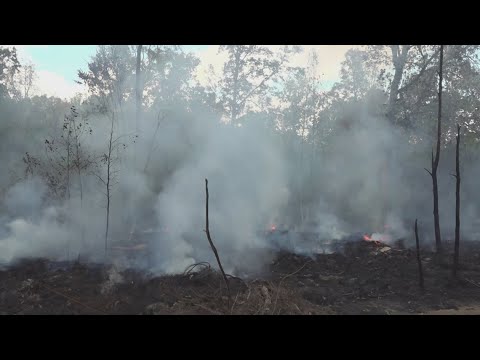
News video thumbnail: smoke damage claims after wildfire
Smoke claims after a wildfire
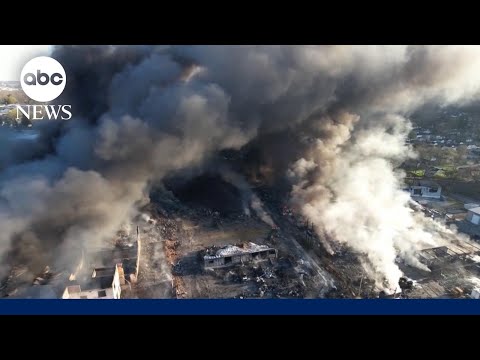
ABC News video thumbnail: EPA warns of toxic debris after Indiana plastics plant fire
EPA: "possibly poisonous" debris
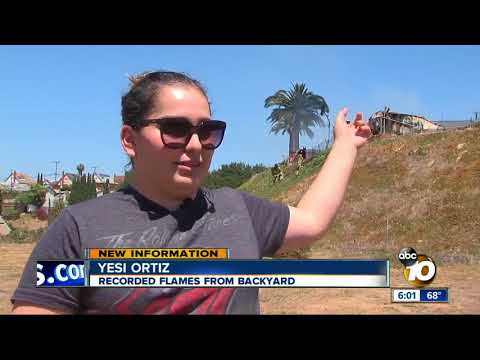
News video thumbnail: house fire blankets San Diego neighborhood in black smoke
One house fire, blocks of smoke
The flagship guide
Smoke damage without a fire — the full reference →

Browse by topic

Everything on this site is organized into four areas.

Smoke Damage 101
What smoke damage is, how it spreads, and why homes that never burned still test positive.
Read the guide →
Health Effects
What PM2.5, soot, and fire VOCs do to lungs and hearts — and who is most at risk.
Read the guide →
Testing & Science
Tape-lift microscopy, VOC analysis, lab reports, and the standards behind them.
Read the guide →
Insurance & Claims
Smoke as a named peril, documentation that holds up, and how claims actually proceed.
Read the guide →

Start here

Start with the flagship guide →
Most read · Smoke Damage 101
Smoke Damage Without a Fire: How Nearby Fires Contaminate Homes That Never Burned
12 min read · 12 cited sources
Testing & Science
Soot vs. char vs. ash: how to read a fire-particle lab report
8 min read
Insurance & Claims
Does homeowners insurance cover smoke damage? A named-peril explainer
9 min read
Case files

The outdoor air gets tested. The homes underneath the plume usually don't.

After a large fire, agencies monitor the outdoor air and debris, then stand down once levels look "adequate." What that all-clear doesn't answer: how much smoke entered the surrounding buildings while the plume sat overhead. Real events, reported by local news:

DEKALB COUNTY, ALABAMA · TIRE FIRE
Thousands of tires burn overnight; smoke visible for miles

Officials noted burning rubber releases gases including hydrogen cyanide, and warned residents with respiratory issues to avoid lingering smoke. Outdoor sampling was declared "adequate" — the homes under the plume were never tested.

JACKSON, MICHIGAN · COMMERCIAL BUILDING FIRE
EPA collects and tests fire debris scattered across the neighborhood

The EPA reported "no immediate environmental impacts" while urging residents not to touch debris pieces from the fire and to call the fire department so they could be collected and tested. Debris fallout on a property is a strong indicator that smoke entered nearby structures too.

RICHMOND, INDIANA · PLASTICS PLANT FIRE
EPA in protective gear combs schools, parks, and homes for "possibly poisonous" debris

Hydrogen cyanide and benzene were detected; debris feared to contain asbestos reached rooftops across the Ohio state line. Residents were told not to mow their lawns — yet the interiors those plumes drifted over are rarely evaluated.

SAN DIEGO, CALIFORNIA · NEIGHBORHOOD HOUSE FIRE
One burning house blankets homes blocks away in thick black smoke

Smoke from a single structure fire stretched over homes several blocks away — visible and smellable from 20 miles. Firefighters had to assist a neighbor on a ventilator who couldn't breathe. When a burning home is dense with synthetic contents, the smoke drifting into neighbors' houses carries structure-fire residues, not just "campfire smell."

Was your property under a plume? Take the assessment → Near one of these events? Smoke is a named peril in most property policies.

Not sure if your property was affected?

Answer six questions about your property and the fire event. We'll tell you whether professional smoke particle testing is warranted — and what to do next.
Take the 2-minute assessment →